An Interview with the Rakhine Women’s Initiative Organization (RWIO)
Interviewed by Kankaw Ni
Q: Amid the ongoing revolution and the process of establishing an administrative system, how do you view the efforts of the ULA/AA government?
A: As the Arakkha People’s Revolutionary Government, there are many challenges. This is because, during the revolutionary period, they have to manage both revolutionary activities and administration while also reforming the legal system.
Despite the numerous challenges, I would like to express my deep gratitude and pride in the efforts being made to address serious criminal cases. I appreciate that the authorities are working to make their actions more effective and thorough day by day.
If laws become more precise and clear, and punishments are imposed in accordance with the law, I believe the public will develop greater trust and confidence in the system.
One thing is certain: the more effective enforcement measures are demonstrated, the greater the hope that violence can be reduced.
However, this is also closely linked to the development of public awareness and knowledge. People need to understand that committing a crime carries the risk of facing legal consequences. Therefore, I believe legal awareness and education programs should be widely conducted among the public.
Q: In recent months, the ULA/AA government has imposed death sentences in cases of child rape in Phapyo and Aung Seik Village in Ponnagyun Township. How does RWIO view these decisions?
A: Yes. I am very satisfied with the death sentence imposed on the perpetrator of the child rape case in Phapyo by the Anchanapura District Court in Minbya on October 9.
This is because, on August 5, 2026, a death sentence and a prison sentence were also imposed in a child rape case that occurred in Aung Seik Village, Ponnagyun Township. So far, I have heard of approximately two cases in Rakhine State in which death sentences have been imposed.
In particular, I feel very satisfied with the imposition of the death penalty in child rape cases.
For a long time, it has been the public’s desire to see the death penalty imposed not only for rape and other forms of sexual violence but especially for cases involving brutal killings that result in the victims’ deaths.
Families of the victims can also find some sense of satisfaction when such sentences are imposed.
Q: For families who have lost their children, how meaningful is this punishment? What further measures do you think should be taken?
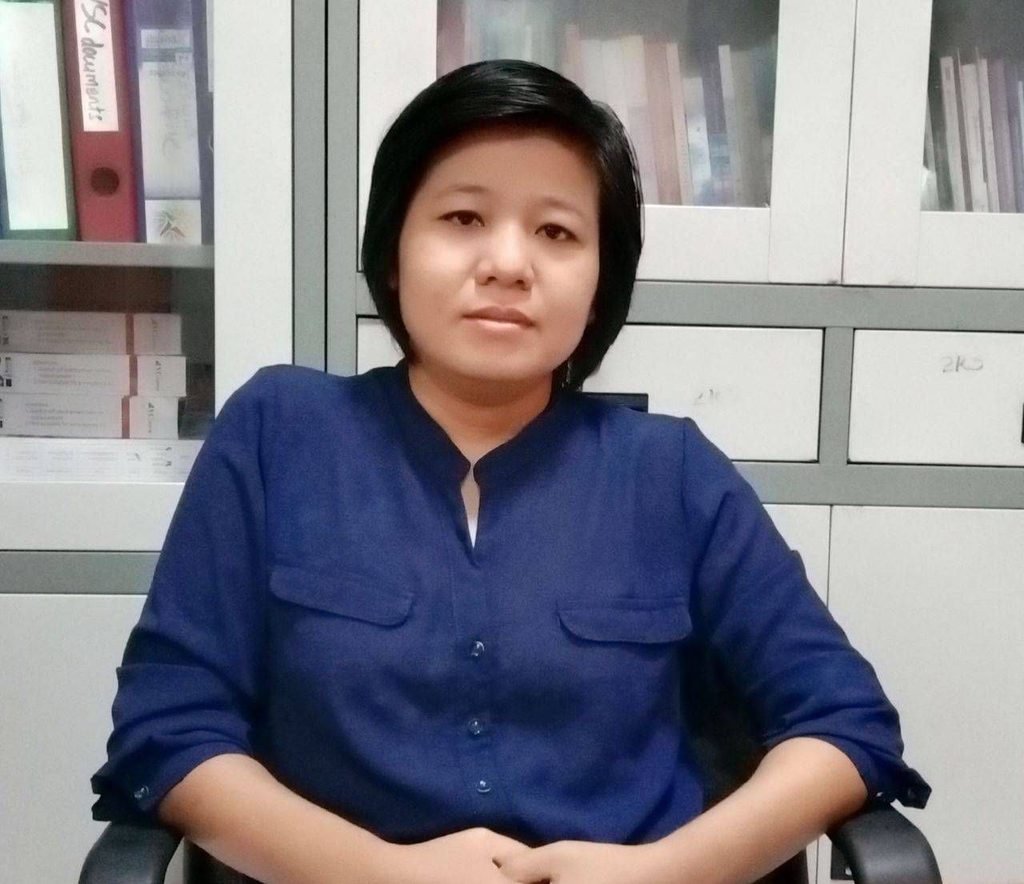
A: For a family that has lost a child, no punishment, whether the death penalty or any other sentence, can ever bring complete satisfaction over the loss of their child.
However, the fact that the case has reached the level of a death sentence means that justice is being pursued through the legal system for the victim’s family. This is how I view it.
I would also like to say that if authorities continue to pursue earlier cases and impose death sentences where appropriate, this would bring a sense of justice to other families of victims as well.
Q: Do you think the imposition of the death penalty will reduce or increase future crimes? How do you assess this?
A: The imposition of the death penalty provides some degree of satisfaction for the families of victims and members of the public who seek justice.
On the other hand, I believe that if the implementation of such sentences is made more visible and transparent, and if people can clearly see the practical outcomes, it could help deter future crimes.
The key is to clearly demonstrate that perpetrators are being held accountable through effective and appropriate legal action. I believe this would contribute to reducing violence.
At the same time, following the outbreak of fighting and armed conflict across Rakhine State, more severe forms of violence have emerged.
The main reasons, I believe, are political, economic, and social hardships, which have contributed to the deterioration of people’s moral values. There has also been an increase in psychological distress and harmful behavior.
Another contributing factor may be the lack of effective accountability for perpetrators in the past.
Q: Finally, do you have any additional requests for the judicial department?
A: Recently, we also heard reports of a child rape case in the Gwa area.
Whether in Gwa or elsewhere, I would like to urge the judicial department of the Arakkha People’s Revolutionary Government to take more effective action against perpetrators in all cases currently before the courts, including child rape cases and rape cases involving adults.
I also strongly urge the authorities to ensure that cases that remain unresolved and are still undergoing court proceedings are handled effectively, so that perpetrators are held accountable in accordance with the law.