
Lay Waddy FM, August 24
Amid the ongoing armed conflict and instability in Rakhine State, some small-scale producers and businesses have completely suspended their operations over the past nearly three years, leaving business owners struggling to make ends meet, according to local sources.
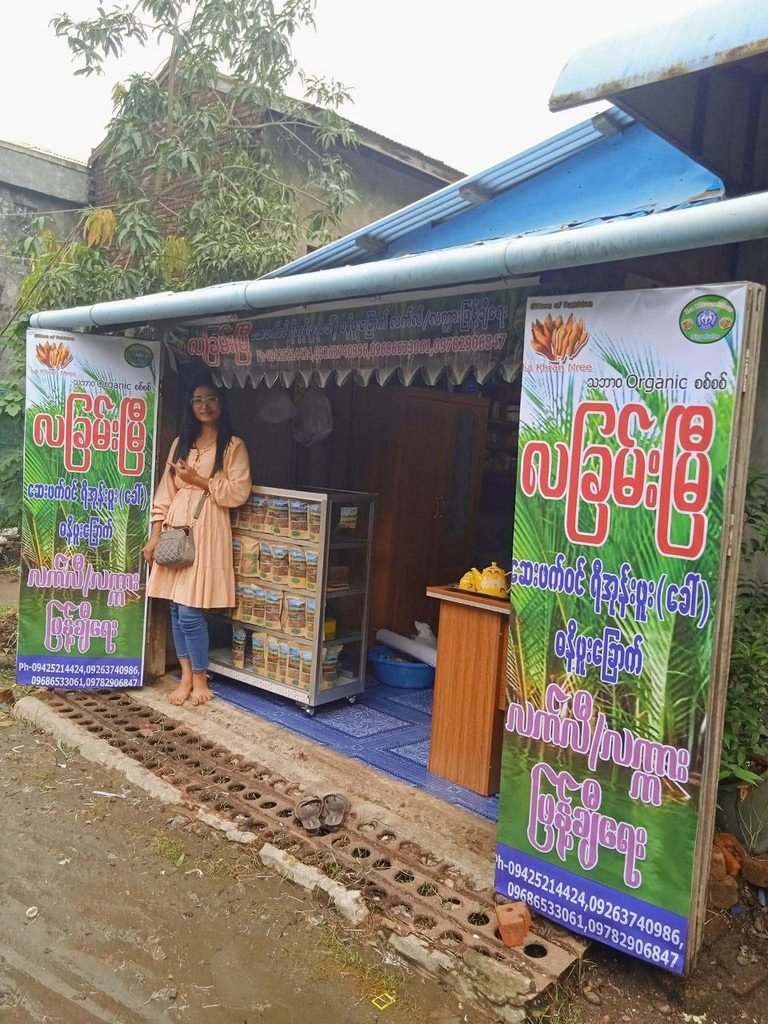
Businesses producing cosmetics and natural products using materials such as nipa palm and coconut blossoms have been particularly affected by shortages of raw materials, transportation difficulties, and disruptions to communication. Some business owners have been forced to flee to displacement camps, according to a woman entrepreneur.
“We can’t operate like we did before. We can’t find the raw materials we need. Communication with the mainland has also been cut off, so there is nothing we can do. Now I am staying in a displacement camp and have tried to sell the products I made previously, but it hasn’t worked out,” said the owner of Lakhchan Mye Products in an interview with Lay Waddy FM.
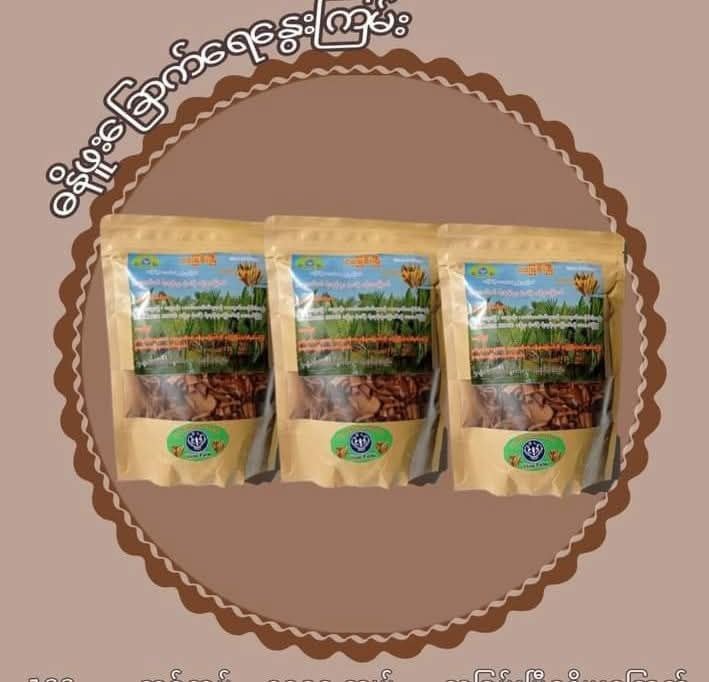
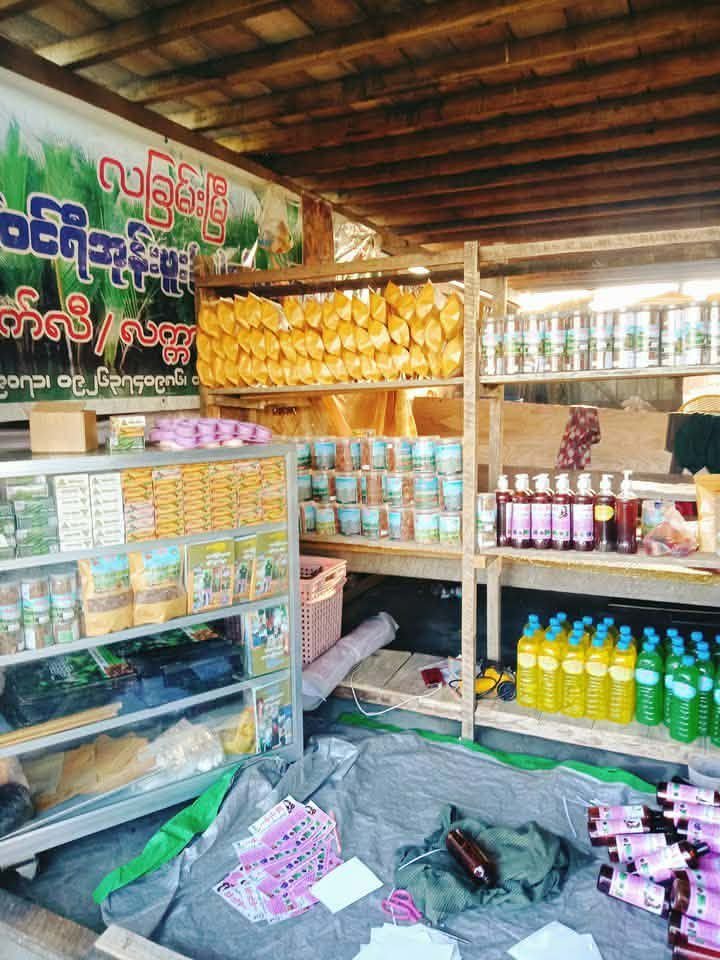
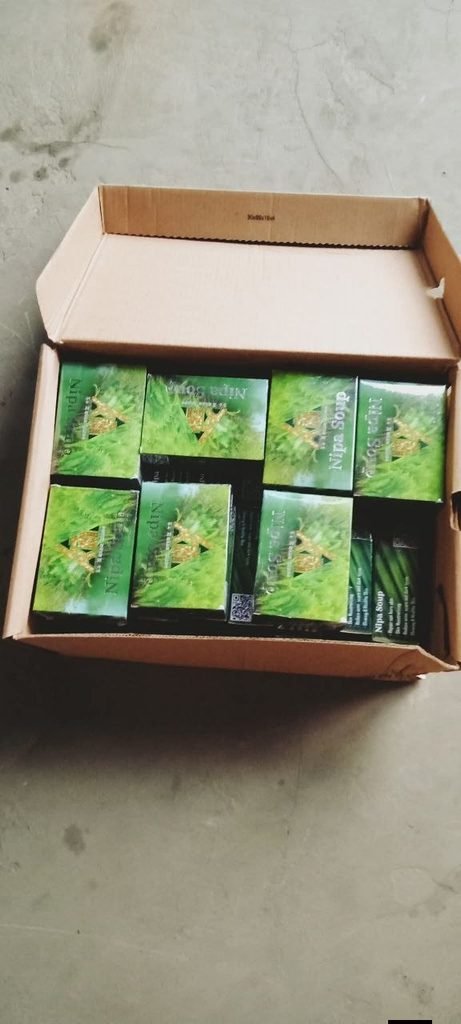
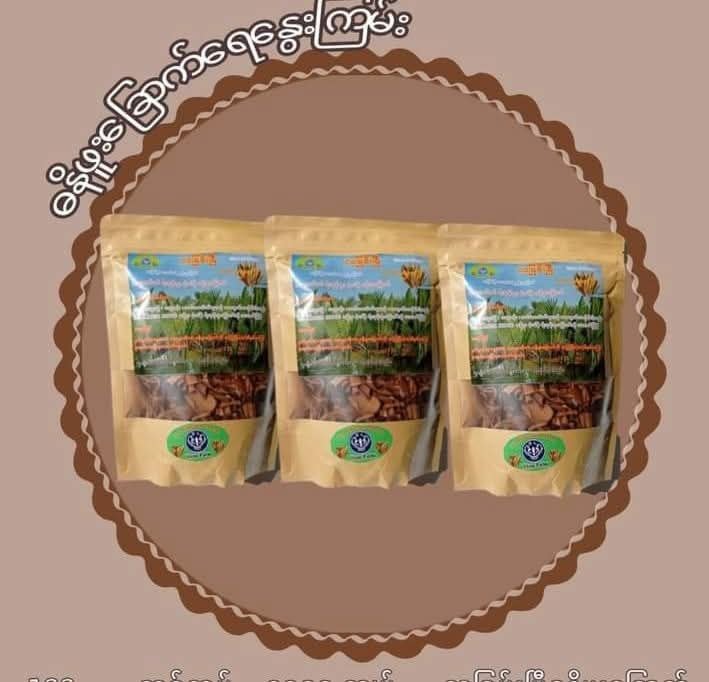
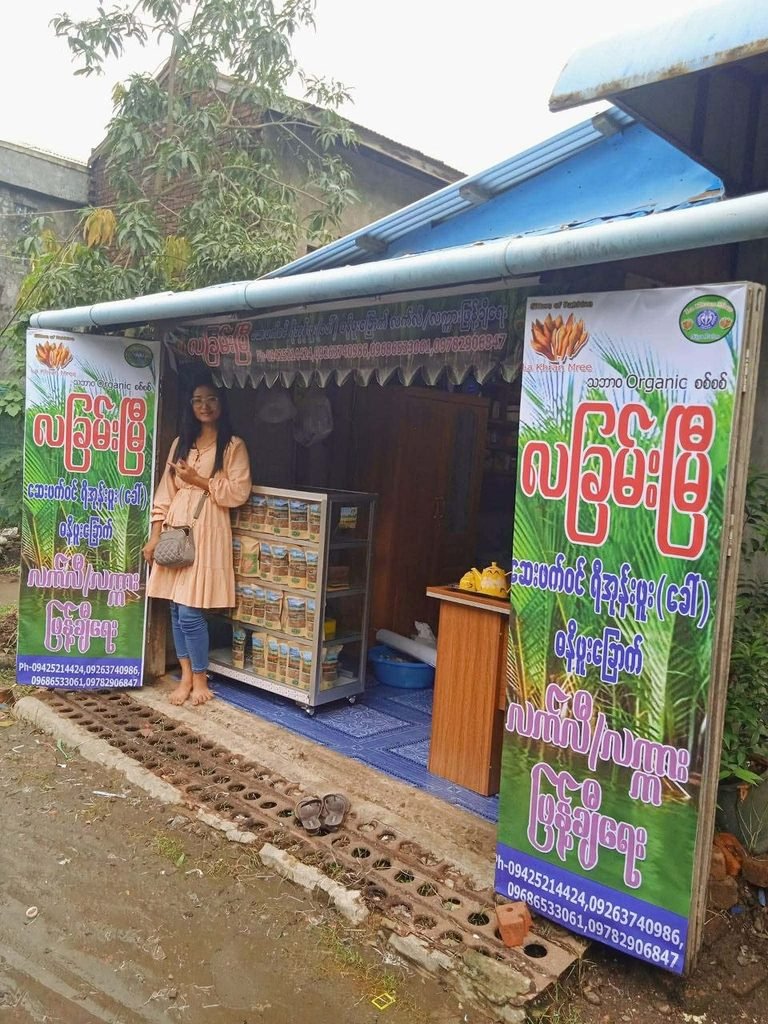
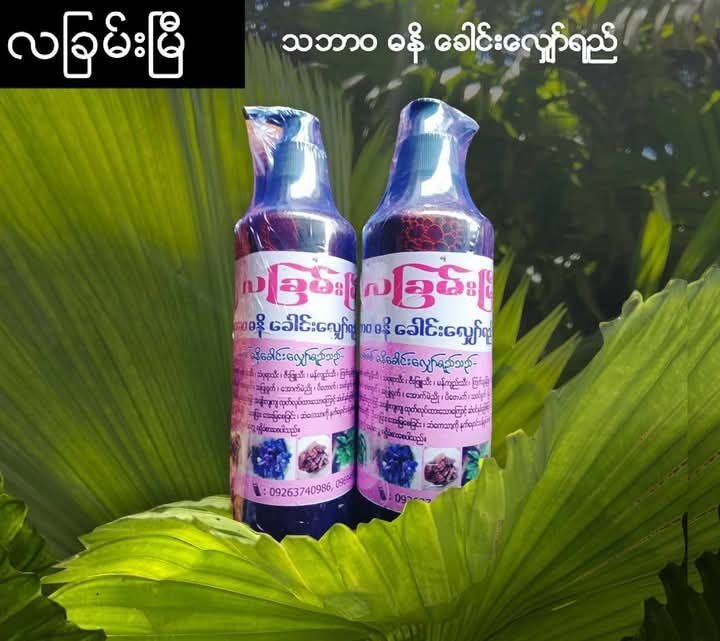
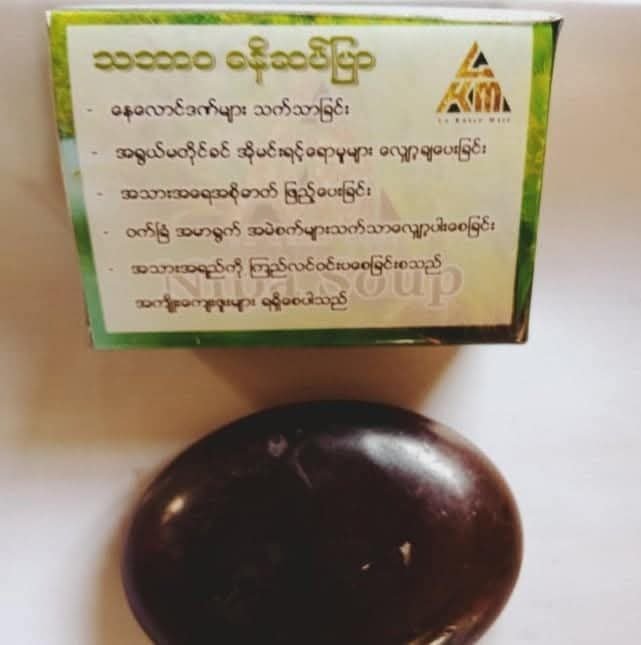
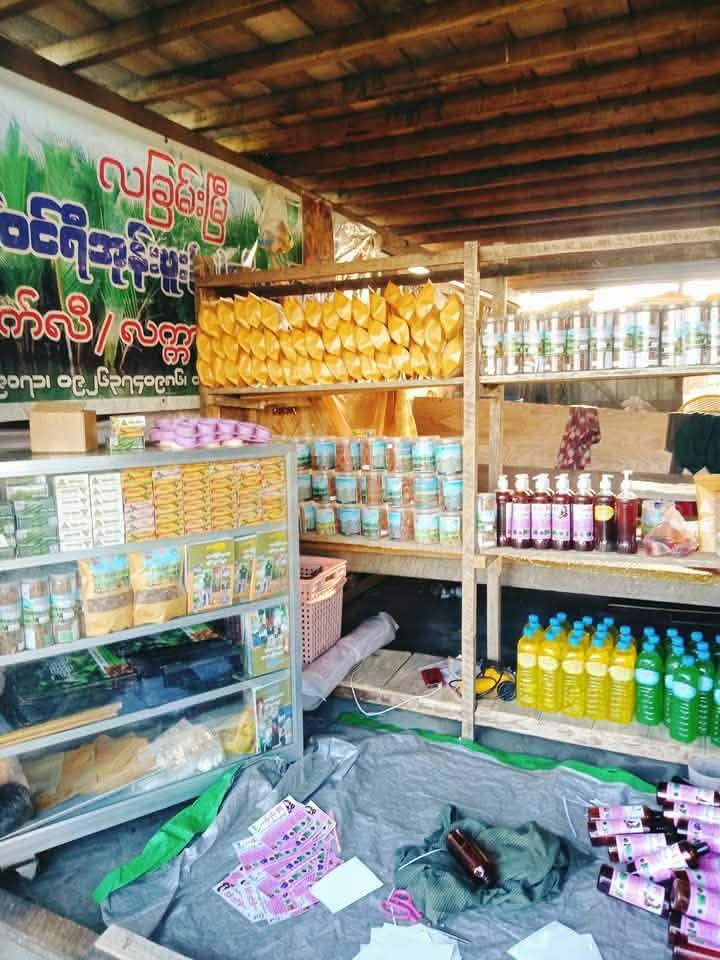
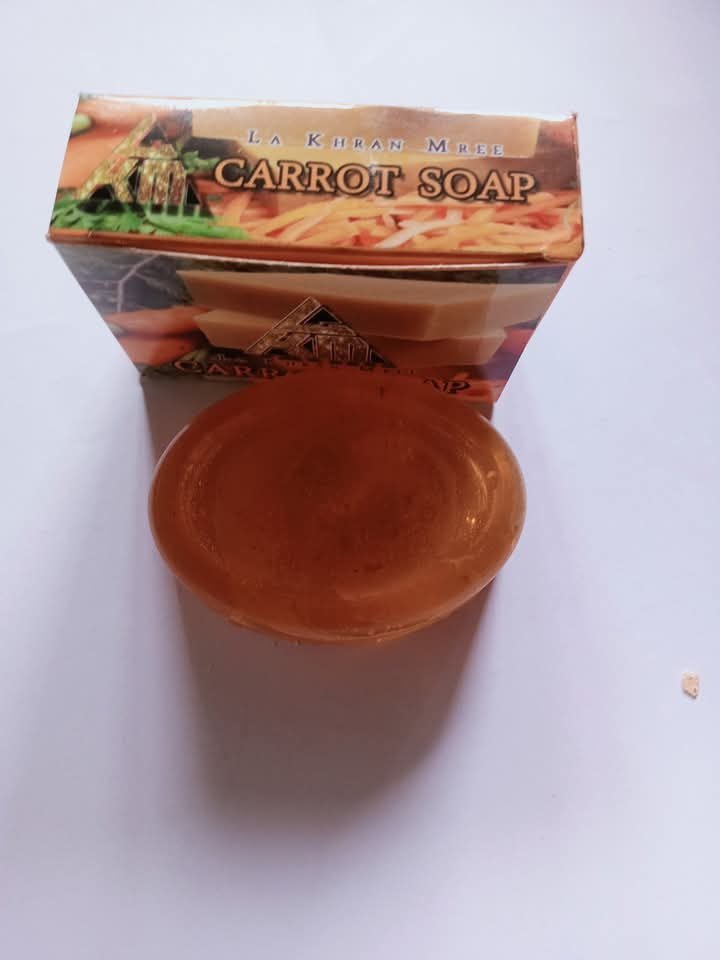
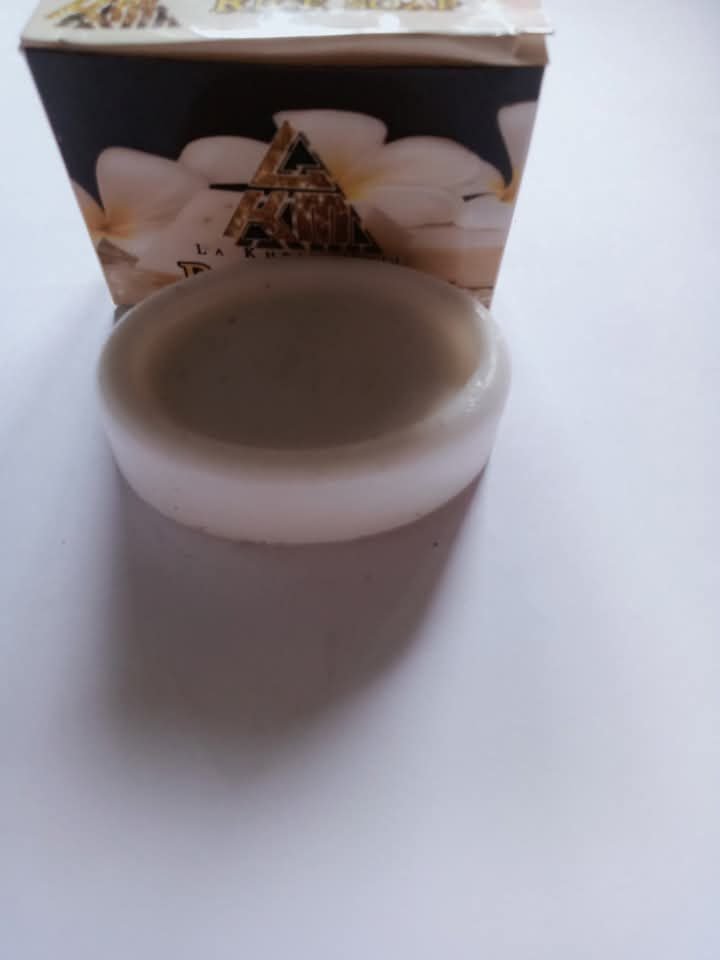
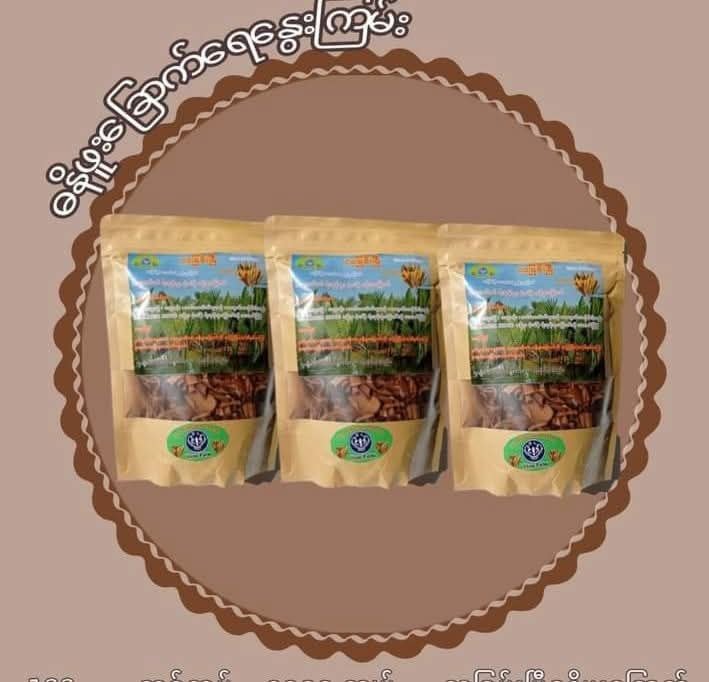
Lakhchan Mye Products previously produced and sold natural products using nipa palm blossoms collected from nipa plantations in Rakhine, including medicinal shampoo made from nipa, nipa-based facial cleansing soap, and coconut blossom tea.
The business was based in Sittwe, but the owner has now fled to southern Maungdaw Township because of the conflict, forcing the business to suspend its operations.
The products were previously sold at 3,500 kyats per packet of coconut blossom tea, 7,000 kyats per bottle of nipa shampoo, and 5,000 kyats per bar of nipa facial soap. However, the business owner said there are now almost no customers.
The number of people living in displacement camps is scattered across different areas, while transportation and communication routes have been disrupted, making it difficult for customers to place orders as they did previously.
Several months ago, the business promoted its products through Facebook and managed to sell around 200 packages. But there have been almost no new customers since then, according to the owner.
In addition to losing her income after the business was suspended, the owner said she has fallen into debt because of the costs of living and medical expenses.
She said the financial hardship and difficulties meeting basic needs have caused sleepless nights. She also spent nearly six million kyats on medical treatment for cervical inflammation and heavy bleeding.
Because of these difficulties, she was no longer able to afford her daughter’s education. Her daughter, who had been attending Grade 10, was forced to leave school.
Although the Arakkha People’s Revolutionary Government is currently carrying out administrative functions in parts of Rakhine State, ongoing conflict and transportation difficulties continue to make it difficult for local small-scale and household businesses to resume operations.



Finding a working link can be a pain but this alternative site is a lifesaver. Stable connection and no lag during the big wins. Go to jitu100linkalternatif
Finally a platform that feels professional. The login process is seamless and the rewards are actually fair. Visit royalsensalogin for a premium experience.